
Understanding Herniated Discs
Are you struggling with severe lower back pain? Did you injure your back when bending or twisting? You could be suffering from a herniated disc.
A herniated disc is one of the most painful back injuries that you can experience, and it is far more common than you may be initially aware of. A herniated disc is commonly associated with severe or sharp pain starting in the lower back (or neck) radiating down the leg (or arm). It can be so intense that people struggle to do everyday activities.
Call Pelham Physical Medicine today to make an appointment. With guidance from our physical therapists, you can find solutions to your pain and get back to living the life you enjoy!
Patient Success Story
“I felt taken care of and my debilitating knee pain was fixed thanks to many physical therapists who worked with me. I appreciate the service they do! Highly recommend!”
– Angel
What is a Herniated Disc?
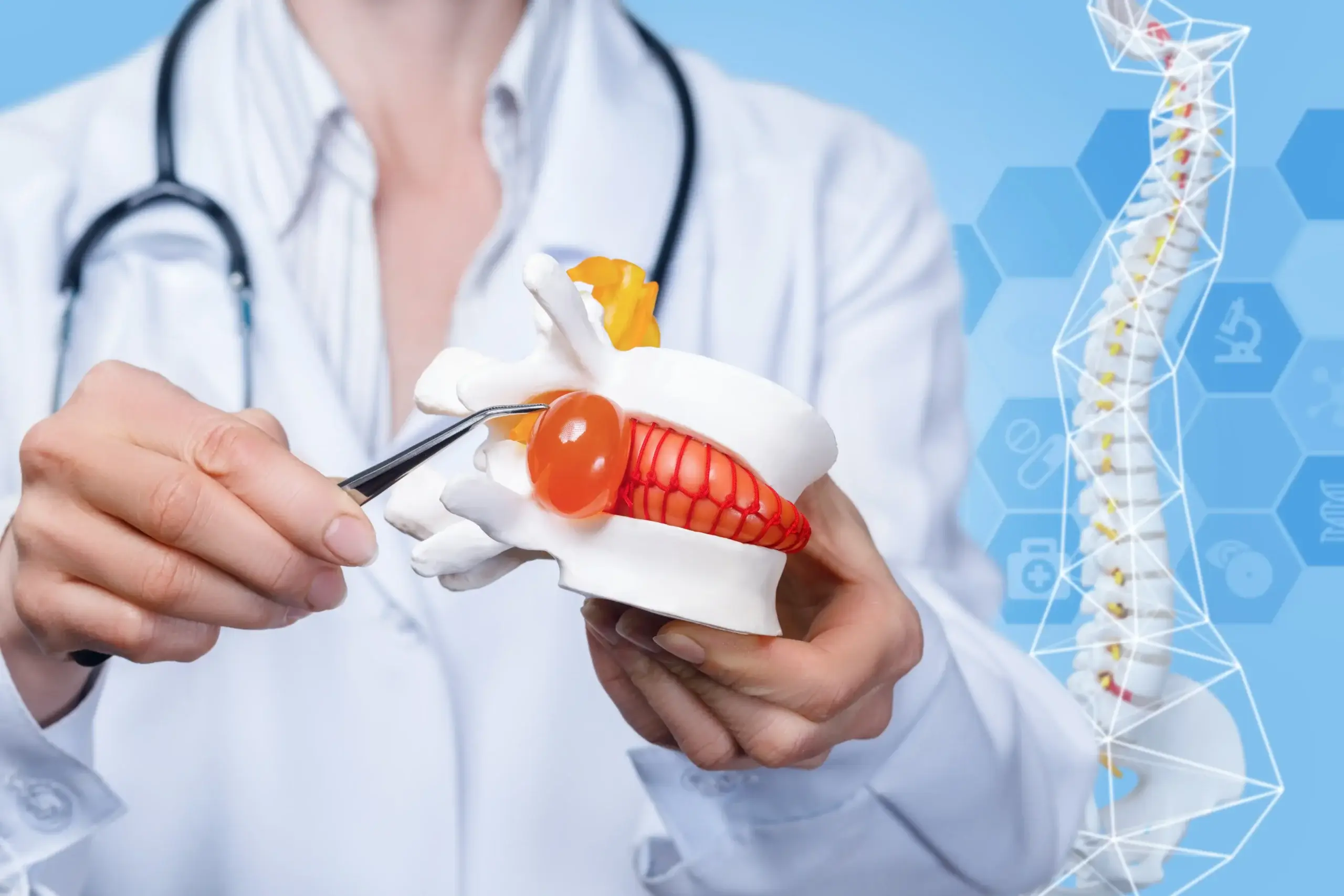
Your spine comprises a series of interlocking bones, called vertebrae, with a specialized tissue in between each vertebra called the intervertebral disc (aka disc). The structure of your spine is what allows you to move freely forward and back, rotationally and from side to side.
The discs provide cushioning and allow motion throughout the levels of the spine. The disc consists of fluid the consistency of toothpaste and moves depending on the positions and movements we perform. As we get older, the disc will start to break down and dehydrate, making it more susceptible to herniation.
A herniated disc is a condition in which the nucleus pulposus (located within the center of the disc) herniates. This herniation causes pain and maybe even more pain if the herniated disc begins to press on the adjacent spinal nerves, causing pain and inflammation.

Causes of Disc Herniation
The most common cause of disc herniation is the degenerative process. As we age, the disc is less hydrated, and it weakens. This process makes the disc more susceptible to herniation.
The second most common cause of disc herniation is trauma. The most common injuries are bending, twisting, and lifting events. It is also possible to herniate from traumas related to sports injuries or car accidents. In these cases, the herniation occurs as a result of overloading of pressure on the disc.
A recent study found that static overloading, like prolonged sitting and sedentary lifestyles, may be the mechanism in younger people without significant degeneration in their discs. The prolonged postures, especially slouched postures, lead to a shearing type of pressure that weakens the disc, making it more susceptible to herniation.
Risk factors that can increase your risk of a herniated disc include:
- Smoking. It’s thought that smoking lessens the oxygen supply to the disc, causing it to break down more quickly.
- Weight. Excess body weight causes extra stress on the discs in your lower back.
- Occupation. People with physically demanding jobs that require repetitive lifting, bending, and twisting also can increase your risk of a herniated disc.
- Sedentary lifestyles. Prolonged sitting postures, whether in an office or vehicle, have a greater risk of back problems.
- Genetics. Some people inherit a predisposition to developing a herniated disc.
Treatment for Herniated Discs
If you suspect that you may have a herniated disc, contact a physical therapist right away. Attempting to engage in therapy at home could lead to further injury. It is best to have an experienced therapist assess your injury before attempting any treatment options.
Your physical therapist will perform a thorough physical examination and provide you with solutions that work based on the findings. A combination of passive and active techniques is typically employed, including:
- Education: Understanding the source of your pain and managing it can help you be proactive and find a solution.
- Advice to stay active: It is crucial to stay active. Your physical therapist can help you identify modifications to painful tasks and help you be safe and active.
- Therapeutic interventions: A physical therapist will tailor your exercises, monitor you, and progress you based on your individual needs. Supervised exercise therapy includes:
- Range of motion exercises
- Proper stretches exercises
- Strength exercises
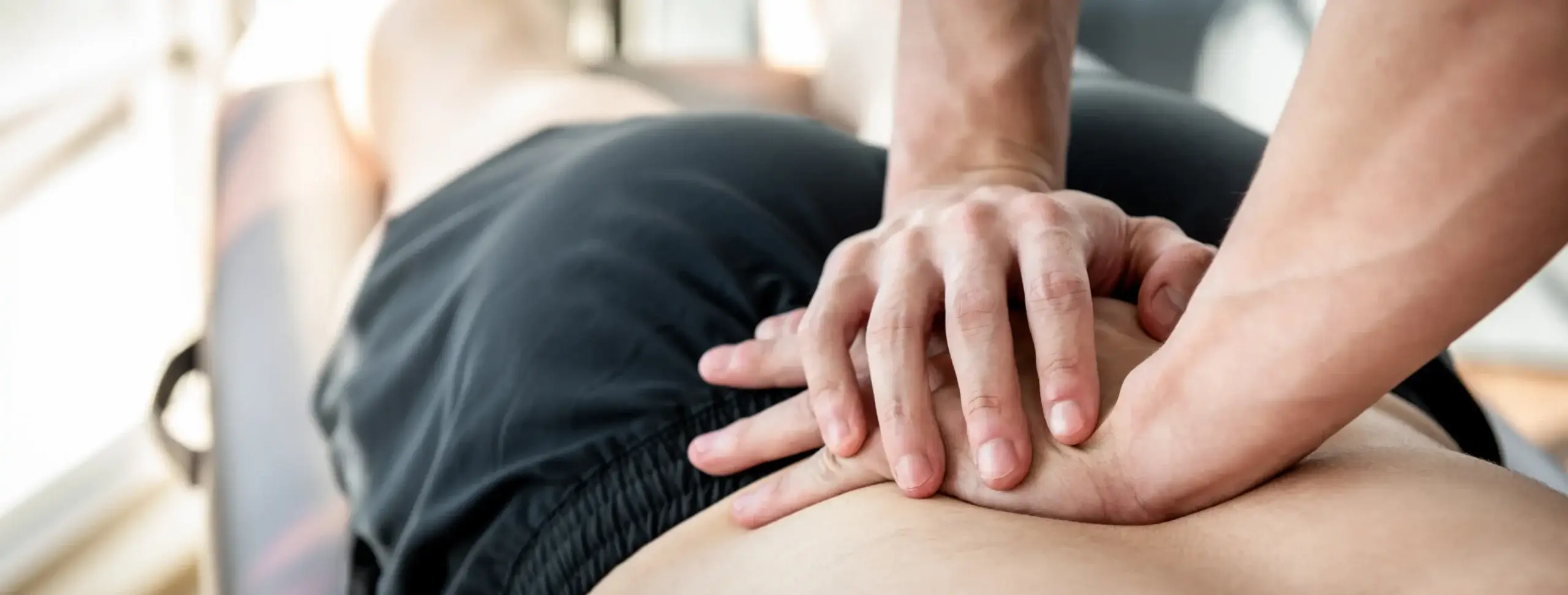
- Manual therapy techniques for pain relief and improved mobility
- Electrical stimulation for pain relief
Meet Our Team

Contact Our Clinic Today
Physical therapy aims to restore range of motion and improve strength while reducing the general experience of pain. It provides targeted exercises that support the spinal joints with precise movements that help reinforce strength and range of motion. Call Pelham Physical Medicine today for a comprehensive assessment and learn what steps you can take to alleviate your pain and prevent further episodes.

Easy Sausage & Herb Stuffing
Ingredients:
- 8 cups (400g) store-bought unseasoned stuffing cubes
- 1 stick (½ cup) unsalted butter
- 1½ cups diced yellow onion (from 1 large or 2 small onions)
- 1 cup diced celery (from 3 large celery stalks)
- 4 garlic cloves, finely chopped
- 1 pound bulk sweet Italian sausage (i.e., sausage with the casings removed)
- 2¾ cups low sodium chicken broth
- 1 large egg, beaten
- 1 tablespoon fresh chopped rosemary
- 1 tablespoon fresh chopped sage
- ¼ cup fresh chopped parsley
- ½ teaspoon salt
- ½ teaspoon freshly ground black pepper
Directions:
- Preheat the oven to 350°F. Grease a 9 x 13-inch baking dish with butter.
- Place the stuffing cubes in a large mixing bowl.
- In a large sauté pan, melt the butter. Add the onions and celery and cook over medium heat, stirring occasionally, for about 8 minutes, or until the vegetables are soft. Add the garlic and cook 2 minutes more. Add the vegetables to the stuffing cubes. (Don’t wash the pan but scrape out every last bit of vegetables, otherwise they will burn in the next step.)
- In the same pan, cook the sausage over medium heat for 8-10 minutes, until browned and cooked through, breaking up the sausage with a metal spatula while cooking (the largest pieces should be no greater than ¼-inch). Add the browned sausage and fat to the bread cubes and vegetables.
- Add the chicken broth, egg, rosemary, sage, parsley, salt and pepper to the bread cube mixture and mix until the bread is soft and moistened. Transfer the stuffing to the prepared baking dish and bake for 65-75 minutes, uncovered, until deeply golden and crisp on top.
3 Ways to Practice Gratitude
Did you know that being grateful is actually good for your health? It’s true! We all love Thanksgiving for the excellent food, football, and time spent with family, but truthfully, this holiday means much more. Practicing gratitude can lead to greater happiness all year long.
According to Harvard Health Publishing, “Gratitude helps people feel more positive emotions, relish good experiences, improve their health, deal with adversity, and build strong relationships.”
If you want to implement more gratitude in your own life, take a look at these 3 tips.

1. Write thank you letters
Remember writing thank you letters? How long has it been since you wrote one? You don’t need to have a wedding, graduation, or other big life event to thank the people in your life. Try writing thank you letters to your friends and family for the little things– you’ll be surprised at how good it feels!
2. Write down what you are grateful for every day
This might sound intimidating, but it doesn’t have to be! Take a few minutes each morning or evening to write down at least 3 things that you are grateful for in your life. This repeated action helps us shift into a more positive mindset and can help fight symptoms of depression and anxiety.
3. Use visual reminders
It can be hard to remember to practice gratitude. With your hectic schedule, sometimes it can feel impossible to sit down, take a moment to breathe, and reflect on your blessings. Visual cues can be a great tool for reminding us to take a beat. Something as simple as sticky notes, a poster, or even your home screen on your phone or laptop can help us remember to slow down and shift to a positive mindset.
No Referral? No Problem!
Did you know we can see you for PT with or without a doctor or other healthcare provider’s referral?
One of our physical therapists will evaluate you, and customize a treatment plan to reduce your pain and get you moving better. Refer yourself or someone you care about! Get started today!
Sources:
- https://www.health.harvard.edu/healthbeat/giving-thanks-can-make-you-happier
- https://www.ncbi.nlm.nih.gov/books/NBK441822/
- https://bmjopen.bmj.com/content/6/12/e012938
- https://www.ncbi.nlm.nih.gov/pmc/articles/PMC5685963/
- https://www.ncbi.nlm.nih.gov/pmc/articles/PMC4718239/
- https://www.nature.com/articles/s41598-021-83471-y
- https://www.onceuponachef.com/recipes/sausage-herb-stuffing.html