

Supporting Movement and Stability During Everyday Activity
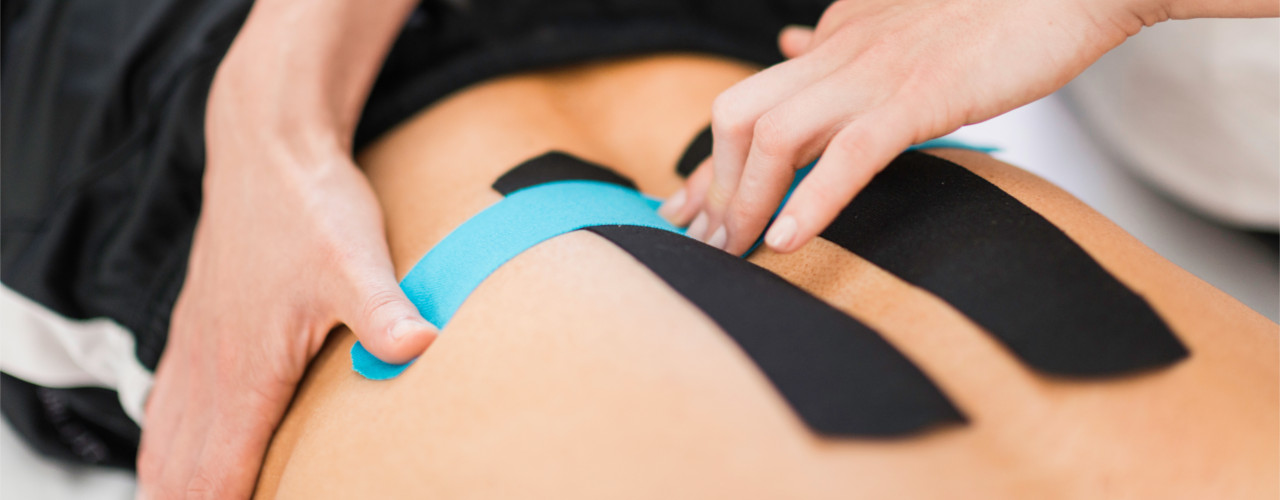
Some movement challenges are influenced by how the body coordinates activity rather than by strength alone. Movement may feel inconsistent, less controlled, or harder to maintain during daily tasks. Kinesio taping in Bronx, NY is a flexible taping method that can be used alongside physical therapy to support movement without limiting range of motion. At Pelham Physical Medicine Diagnostic & Treatment Center, physical therapists may incorporate kinesio taping as part of a broader treatment plan to support movement awareness and activity tolerance during recovery.

How Kinesio Taping Influences Movement
Kinesio taping involves the application of elastic therapeutic tape to the skin using specific techniques. The tape stretches and recoils with movement, which allows joints and muscles to move freely while receiving consistent sensory input. This input can influence muscle activation, joint awareness, and movement control during daily activity.
Patients often ask about kinesio taping when movement feels unstable or when discomfort increases during prolonged tasks. Some people notice that muscles tire quickly or that posture becomes harder to maintain. Kinesio taping helps guide movement without limiting motion, making it a useful option during active rehabilitation.
When Kinesio Taping May Be Used During Care
Physical therapists at Pelham Physical Medicine Diagnostic & Treatment Center may use kinesio taping when added feedback or support improves movement quality. The technique often helps when muscles struggle to sustain activity, when joints feel less controlled, or when discomfort increases with repetition.
Kinesio taping is never applied as a stand-alone solution. Therapists determine its use after evaluating movement patterns, activity demands, and goals. The tape supports care by reinforcing proper movement while exercise and training address strength and coordination.
Common Situations Kinesio Taping May Help
Kinesio taping may support patients who experience:
- Muscle fatigue during work or exercise
- Joint discomfort that affects movement confidence
- Mild swelling that limits motion
- Postural strain during prolonged sitting or standing
- Reduced awareness of joint position during activity
- Support needs during return to exercise or sport
- Overuse symptoms from repetitive tasks
- Movement hesitation related to discomfort
These situations often benefit from light support that encourages efficient movement.
How Kinesio Taping at Pelham Physical Medicine Diagnostic & Treatment Center Supports Functional Progress
Kinesio taping works best as part of a complete physical therapy plan that includes exercise, movement training, and education. Physical therapists at Pelham Physical Medicine Diagnostic & Treatment Center apply taping techniques based on how each patient moves and what activities matter most.
- Elastic support reinforces muscle activity, which supports smoother movement.
- Joint feedback improves awareness, which supports better control.
- Flexible application allows full motion, which supports daily activities.
- Light tension assists circulation, which supports comfort during movement.
- Reduced muscle strain supports endurance, which helps with longer tasks.
- Combined use with exercise improves carryover, which supports lasting change.
Each application is adjusted based on response and functional needs.
How Kinesio Taping Fits Into Physical Therapy at Pelham Physical Medicine Diagnostic & Treatment Center
Kinesio taping is one tool within a movement-based physical therapy approach. Therapists use it to complement exercise and functional training, not replace them. After taping, patients practice movements that reinforce improved control and confidence.
Patients value this approach because care stays practical and activity-focused. Kinesio taping supports progress by helping patients move with better awareness during real-world tasks.
Supporting Confident Movement Through Active Care
Movement should feel supported, not restricted. Kinesio taping helps reinforce stability and control while patients rebuild strength and coordination. Pelham Physical Medicine Diagnostic & Treatment Center incorporates kinesio taping into individualized physical therapy plans that prioritize functional goals and steady progress. Request Appointment
Frequently Asked Questions
Can kinesio taping help even if I am already exercising?
Does kinesio taping need to be reapplied often?
Is kinesio taping meant to replace braces or supports?
Your Next Steps…
- Request An Appointment
- Receive A Custom Treatment Plan
- Work Hard and Progress In Your Recovery
- Recover & Enjoy Life Pain-Free
Supporting Movement, Recovery, And Healthy Aging
related blogs
-

Pain Management After Surgery: How Post-Op Rehab Plays a Key Role
Recovering from surgery can be challenging, especially when pain becomes a major concern. Effective pain management after surgery is essential for a successful recovery, and post-operative rehabilitation plays a critical role in this process. At , the focus is on a comprehensive approach that includes swelling control, manual therapy, and gradual improvements in range of…
-
Post-Op Rehab After Joint Replacement: Key Strategies for Success
Joint replacement surgery offers a significant opportunity to reduce pain and improve mobility for those suffering from severe joint damage. However, the surgery itself is only the beginning of the recovery journey. Post-op rehab for joint replacement at is essential for achieving full functionality and long-term success. Effective rehabilitation focuses on several critical components, including…
-
Hip Replacement Rehab Dos and Don’ts: Advice from a Physical Therapist
Recovering from a hip replacement is a journey that requires patience, consistency, and the right approach. While the surgery itself is a significant step toward pain relief and improved mobility, what happens during rehabilitation can determine the long-term success of your recovery. Following key hip replacement rehab dos and don’ts ensures you regain function safely…