
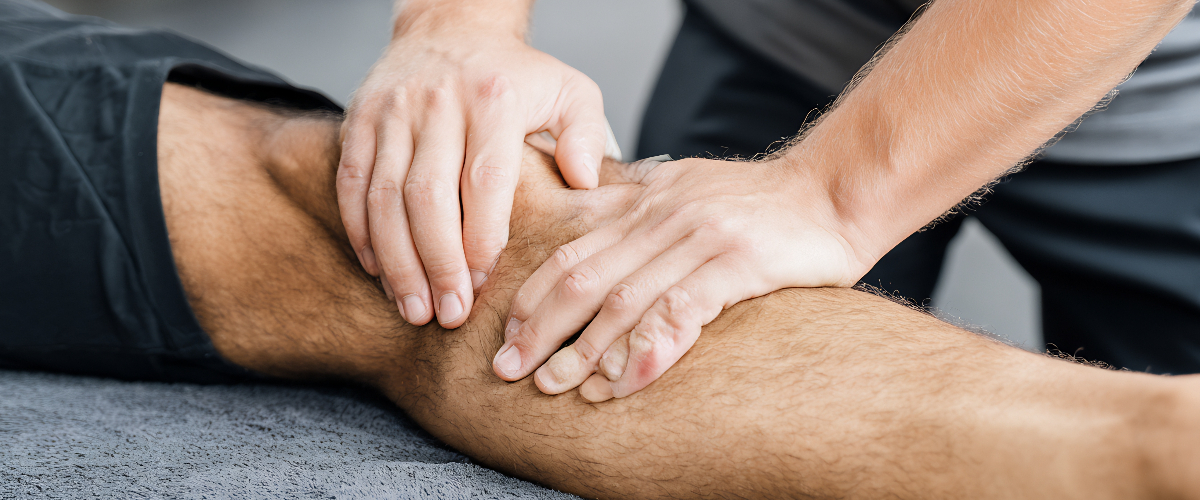

Reducing Localized Pain to Support Better Movement
Some pain patterns persist even when strength and mobility improve. A joint may feel irritable with movement, or a tight muscle band may continue to limit motion despite exercise and hands-on care. Joint and trigger point injections in Bronx, NY are used to address these localized sources of discomfort so movement can progress more effectively. At Pelham Physical Medicine Diagnostic & Treatment Center, joint and trigger point injections are used as part of a coordinated care approach that supports active rehabilitation and functional recovery.
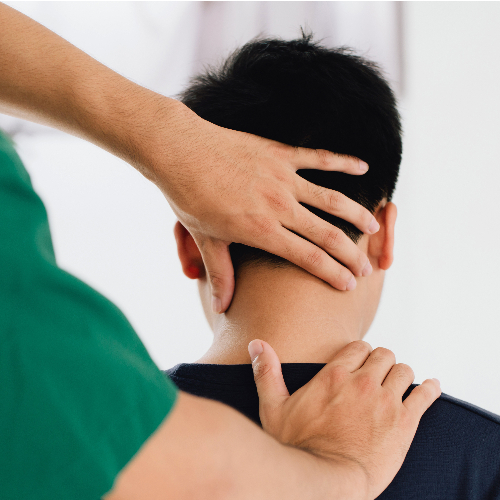
Looking Closer at Joint and Trigger Point Injections
Joint and trigger point injections are targeted medical treatments used to reduce pain and irritation in specific areas. Joint injections focus on reducing inflammation within a joint. Trigger point injections focus on tight, sensitive muscle knots that can refer pain or limit movement. Both approaches aim to calm irritated tissue so movement becomes more comfortable.
Patients often ask about joint and trigger point injections when pain continues to interfere with daily activity despite physical therapy or self-care. Some notice sharp discomfort with certain movements. Others feel constant muscle tension that limits progress. These injections help create a window where movement, exercise, and rehabilitation can move forward with less resistance.
When Joint and Trigger Point Injection May Be Used
Our Medical Doctors or Physician Assistants at Pelham Physical Medicine Diagnostic & Treatment Center may recommend joint and trigger point injections when pain limits participation in rehabilitation or daily activities. The treatment is often considered when localized pain, stiffness, or muscle guarding slows recovery. Injection use depends on an individual evaluation and symptom pattern.
Joint and trigger point injections are not intended as a stand-alone solution. Rather, they support recovery by reducing pain so patients can better engage in movement-based care, exercise, and functional training.
When Do We Recommend Joint and Trigger Point Injections?
Joint and trigger point injections may help patients who experience:
- Joint pain that limits walking, lifting, or reaching
- Muscle knots that restrict movement
- Pain that interferes with physical therapy participation
- Stiffness that does not improve with exercise alone
- Shoulder, hip, or knee discomfort during activity
- Neck or back muscle tension affecting daily tasks
- Pain flare-ups that slow rehabilitation progress
- Localized pain that affects work or sleep
These situations often improve when pain is reduced and movement becomes more tolerable.
How Joint and Trigger Point Injections at Pelham Physical Medicine Diagnostic & Treatment Center Support Recovery
Joint and trigger point injections work best when combined with exercise, movement training, and education. At Pelham Physical Medicine Diagnostic & Treatment Center, injections are used to support active care rather than replace it.
- Targeted pain reduction improves comfort, which supports movement participation.
- Reduced inflammation improves joint tolerance, which supports activity progression.
- Muscle relaxation improves mobility, which supports smoother movement.
- Improved pain control improves exercise tolerance, which supports strength gains.
- Reduced guarding improves coordination, which supports functional movement.
- Integration with physical therapy improves carryover, which supports lasting improvement.
Each approach helps patients move more effectively during rehabilitation.
How This Treatment Fits Into Care at Pelham Physical Medicine Diagnostic & Treatment Center
Joint and trigger point injections are one component of a coordinated care plan. Providers and physical therapists work together to identify when an injection may support progress. After treatment, patients continue with guided movement and rehabilitation focused on restoring strength, control, and function.
Patients value this approach because care stays goal-driven and movement-focused. Joint and trigger point injections help remove pain barriers so rehabilitation can move forward with purpose.
Supporting Progress When Pain Slows Recovery
Persistent pain can make recovery feel stalled. Joint and trigger point injections help reduce localized discomfort so movement and rehabilitation feel more manageable. Pelham Physical Medicine Diagnostic & Treatment Center integrates joint and trigger point injection into individualized care plans that emphasize active recovery and functional goals. Contact the clinic today to learn how joint and trigger point injections in Bronx, NY may support your path back to confident movement.
Frequently Asked Questions
How do joint and trigger point injections differ from oral medication?
Will I still need physical therapy after an injection?
How do providers decide whether a joint or trigger point injection is appropriate?
Your Next Steps…
- Request An Appointment
- Receive A Custom Treatment Plan
- Work Hard and Progress In Your Recovery
- Recover & Enjoy Life Pain-Free
Supporting Movement, Recovery, And Healthy Aging
related blogs
-

Alleviating Knee Pain Due to Arthritis: Physical Therapy Insights
Living with knee pain due to arthritis can make even the simplest tasks feel overwhelming. From walking to climbing stairs, the pain and stiffness caused by arthritis can significantly impact daily life. Susan, a patient at , experienced these challenges firsthand. After years of dealing with persistent knee pain, she turned to physical therapy for…
-
Chronic Knee Pain Management: Non-Surgical Physical Therapy Solutions
Living with chronic knee pain can make even the simplest activities, like walking or climbing stairs, feel challenging. Whether caused by arthritis, injury, or overuse, chronic knee pain often leads to reduced mobility and a lower quality of life. However, surgery isn’t always the only option. Chronic knee pain management through non-surgical physical therapy at…
-
Restoring Stability: Strategies for Successful Knee Rehabilitation
Are you dealing with a knee injury? Regaining stability and function is crucial for returning to your daily activities. Here, we’ll explore knee rehabilitation strategies, what it is, the causes, and how physical therapy can help you get back on your feet. What Causes Knee Injuries? Knee injuries can stem from various causes. One study…