
Unfreeze Your Shoulder: Reclaim Your Active Life
How Physical Therapy Can Help You Manage Frozen Shoulder
We recently worked with a patient who came to us after struggling with shoulder pain for several months. While she hoped it would go away on its own, it only got worse over time. When she visited us, she was also struggling to lift her shoulder overhead or reach behind her back.
This patient had developed adhesive capsulitis, more commonly known as frozen shoulder. It gets that name from the fact that the condition causes the shoulder to “freeze up” after a period of intense pain.
A frozen shoulder will eventually “unfreeze,” but that process can take anywhere from 1-3 years. Fortunately, the team at Pelham Physical Medicine Diagnostic & Treatment Center can help you manage your symptoms and facilitate a more efficient recovery.


Patient Success Story
“I had left rotator cuff repair and left shoulder partial shoulder repair. I attended Physical Therapy. Initially I was in a lot of pain and with limited motion of my left shoulder. The therapy has helped me increase the range of motion and decrease the pain. The therapists are very professional and compassionate. After four weeks of therapy I had a follow up with the physician. My overall experience at Pelham Physical Therapy is rewarding and I would recommend it to anyone.”
– Carmen
What Causes Frozen Shoulder?
The condition develops when the capsule of connective tissue that wraps around your shoulder thickens and tightens, restricting the joint. However, researchers aren’t entirely clear why this happens. Certain factors can increase your risk:
- Being a woman between the age of 40 and 60 years old
- Having certain diseases, including diabetes, thyroid conditions, or cardiovascular disease
- Immobilizing your shoulder after an injury or surgery.
Understanding the Three Phases Of Frozen Shoulder
One reason frozen shoulder recovery can take so long is that the condition progresses through three distinct phases, each with its own set of symptoms and concerns. Here’s what you need to know about each one:
Freezing Phase
Frozen Phase
Thawing Phase
Physical Therapy and Frozen Shoulder: What You Need to Know
Physical therapy plays an essential role in helping you manage frozen shoulder symptoms at all three stages. Our team will work with you to develop a comprehensive treatment program, pulling from a range of different techniques based on your current symptoms:
Acute Pain Management
Manual Therapy
Mobility Exercises
Strengthening Exercises
Management Strategies
The Complexity of the Shoulder Joint
Did you know the shoulder is the most mobile joint in the human body? This unique ball-and-socket joint allows for an impressive range of motion so you can reach overhead, throw a baseball, or go for a swim.
Unfortunately, this incredible mobility comes at a cost: instability and a high likelihood of injury. But if you understand the complexity of your shoulder joint, you’ll be well on your way to protecting it from damage.
How the Shoulder Joint Works
The shoulder joins three bones together in two different joints. The head of your upper arm bone fits in the shallow socket of your shoulder blade, forming the main joint of your shoulder. Your collarbone then connects the shoulder blade to your rib cage, forming the second joint.
However, several soft tissues also play a role in shoulder function, helping to provide additional support and stability:
- Rotator Cuff: A group of muscles and their tendons that surround the shoulder joint, providing stability and controlling movement
- Labrum: A ring of cartilage that protects the shoulder socket
- Ligaments: Bands of connective tissue that connect bones and provide support.
- Additional Muscles: In addition to your rotator cuff, numerous chest and upper back muscles contribute to shoulder movement and stability.

Meet Our Team



Understanding Shoulder Injuries
With all these moving parts, it’s no surprise that the shoulder is so vulnerable to injury! There are two main types of shoulder injuries you need to be aware of:
Acute Injuries
Overuse Injuries
That said, not all shoulder injuries develop due to injuries. Degenerative changes in the shoulder joint, including age-related wear and tear or underlying conditions like arthritis, can cause the protective cartilage to break down, leading to pain and restricted mobility.
Dealing with Shoulder Pain? We Can Help
Regardless of the reason for your shoulder discomfort, the team at Pelham Physical Medicine Diagnostic & Treatment Center can help you find lasting relief. Our physical therapists have the knowledge and expertise to treat a range of shoulder injuries, help you rehabilitate after shoulder surgery, or teach you how to effectively manage degenerative conditions. Schedule an appointment with us today to get started!

Ready to Break Free From the Icy Grip of Frozen Shoulder?
If you suspect you have frozen shoulder, schedule an appointment at Pelham Physical Medicine Diagnostic & Treatment Center. Physical therapy is essential for managing the condition in all three phases, and the earlier you can begin treatment, the better your outcomes will be. Our team is here to help you manage pain, restore mobility, and understand your shoulder’s movement patterns.
Don’t let frozen shoulder hold you back. Call us today to schedule your initial evaluation!

Recipe of the Month: Immunity Soup
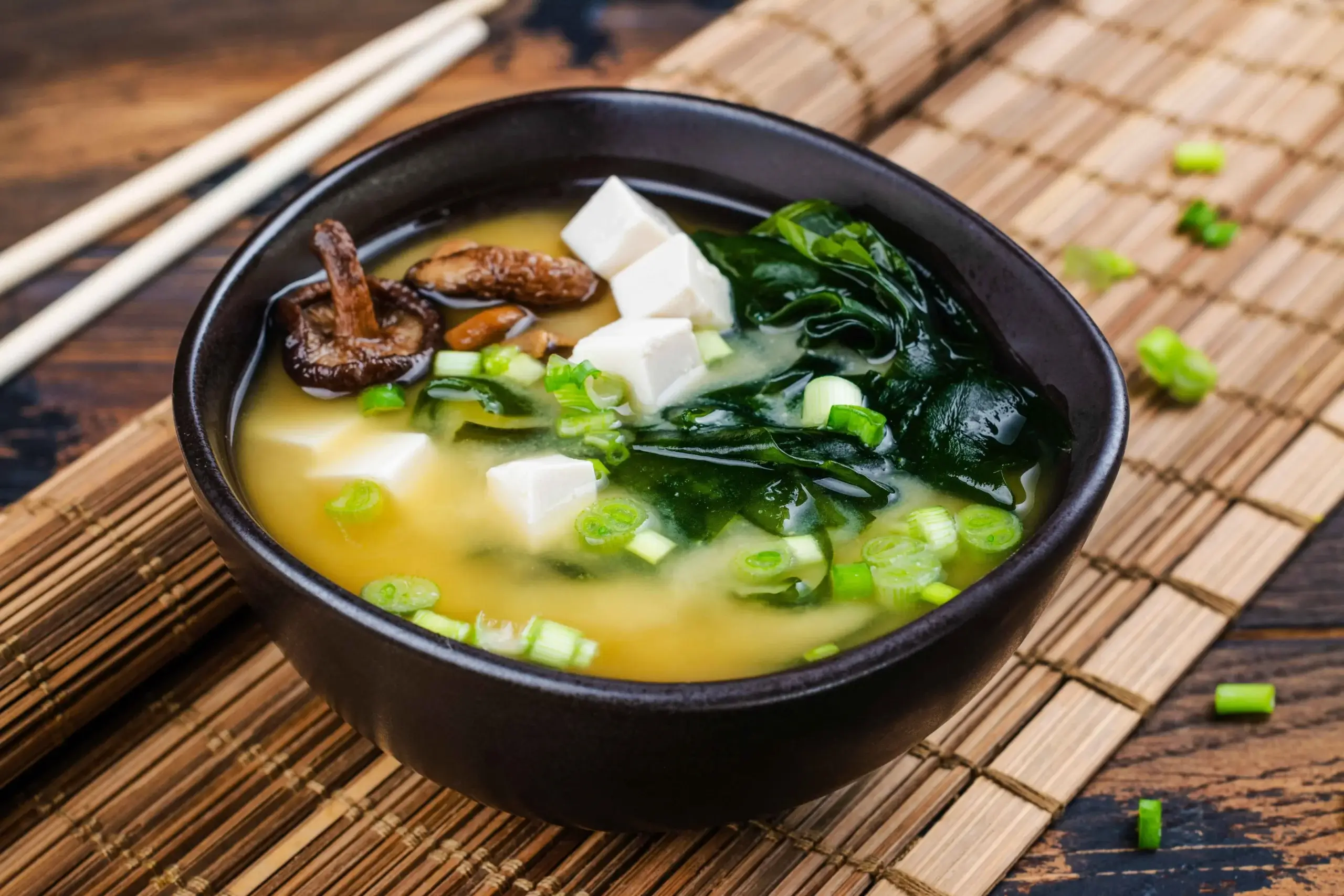
Ingredients:
- 1 tablespoon extra virgin olive oil
- 1 medium onion, quartered and thinly sliced
- 3 celery stalks, thinly sliced
- 1 medium carrot, thinly sliced
- 8 medium garlic cloves, very thinly sliced
- 2 tablespoons grated ginger, peeled
- 3/4 teaspoon finely ground white pepper, plus more to taste
- 1 1/2 cups mushrooms, trimmed
- 8 ounces firm tofu, sliced into thin slabs
- 2 1/2 teaspoons fine grain sea salt
- to serve: lots of chopped green onions, sliced watermelon radish, and/or pea shoots
Instructions:
- Heat the oil in a large soup pot over medium heat, and stir in the onion, celery, carrot, garlic, and ginger. Gently sauté just until soft, you don’t want any browning. Add a small splash of water if the pan dries out in the process.
- Stir in the white pepper and 10 cups of water. Dial up the heat to bring the broth to a simmer, and hold there for about 15 minutes. Add the mushrooms, tofu, and salt, and gently simmer for another 5 minutes. Stir well, taste, and adjust with more salt or water if needed.
- Ladle the soup into shallow soup bowls and top with lots of green onions, pea shoots, and a few watermelon radish slices. Add a finishing drizzle of olive oil, and enjoy!