
Hands-On Care That Prepares the Body to Move Better
Movement can feel limited even when strength is present. Joints may feel guarded, muscles may resist motion, or certain positions may trigger discomfort that makes activity feel harder than it should. Manual therapy in Bronx, NY is used to address these barriers by improving how joints and soft tissue move together. At Pelham Physical Medicine Diagnostic & Treatment Center, our physical therapists use manual therapy to support mobility, reduce restriction, and create better conditions for active rehabilitation.
What Manual Therapy Focuses On
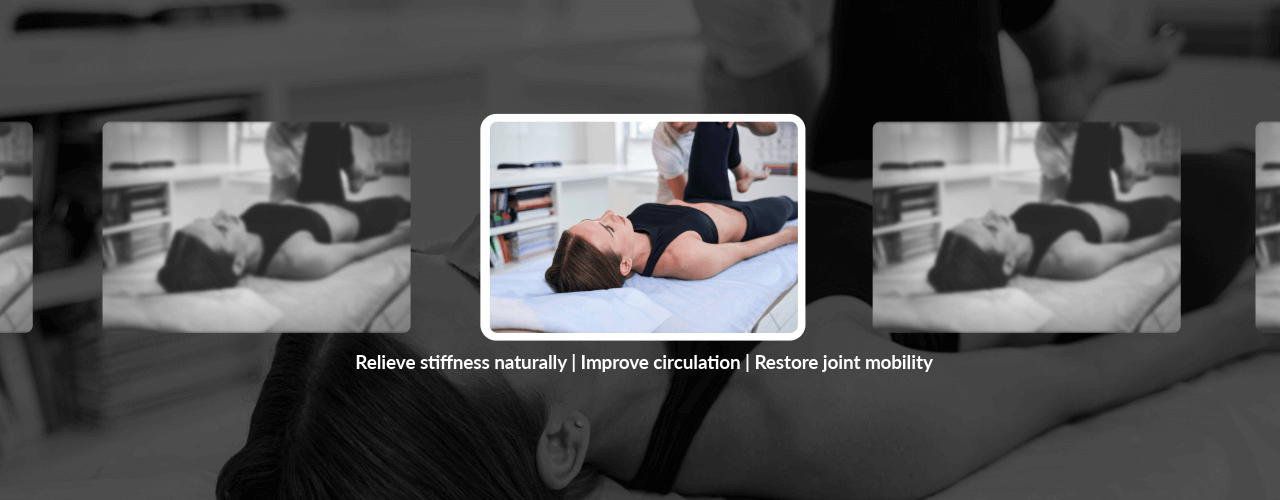
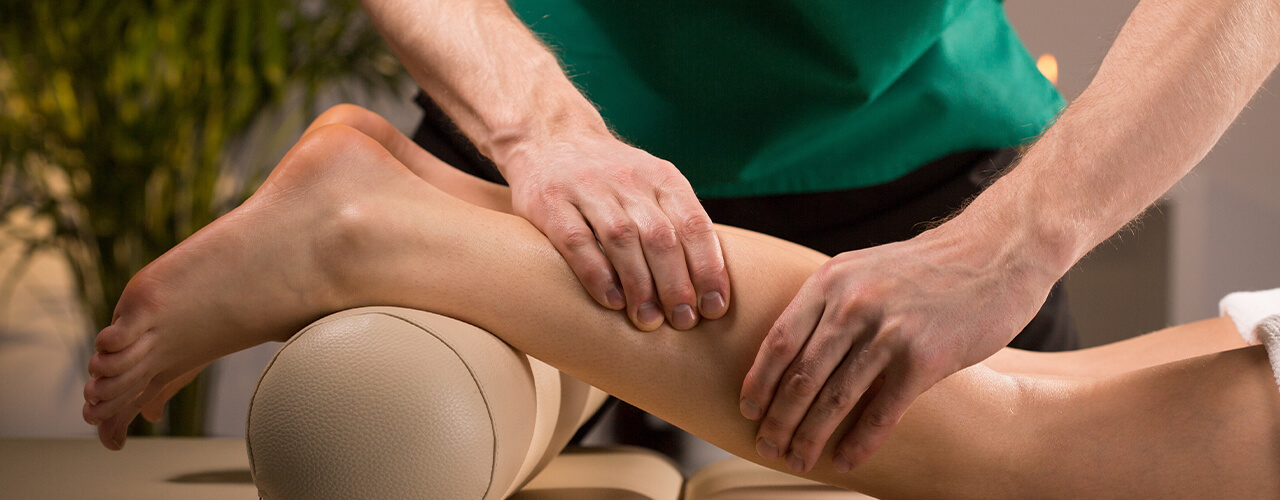
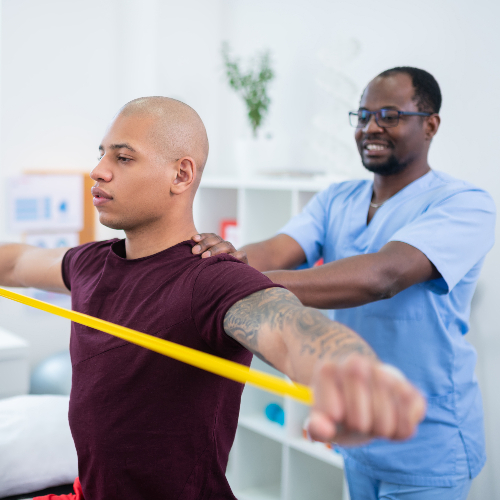
Manual therapy refers to hands-on techniques used by physical therapists to assess and treat movement limitations. These techniques involve skilled use of the hands to mobilize joints, address soft tissue restriction, and influence how the body responds to movement. The goal is not passive relief but improved motion that carries into daily activity.
Patients often ask about manual therapy when movement feels stiff, guarded, or uncomfortable despite exercise. Some notice a limited range of motion that affects walking or reaching. Others feel tension that returns quickly during activity. Manual therapy helps improve how the body moves, so exercise and functional training become more effective.
When Manual Therapy May Be Used in Care
Therapists at Pelham Physical Medicine Diagnostic & Treatment Center may use manual therapy when restricted motion interferes with daily tasks or slows recovery. The approach often helps when stiffness limits joint movement, when muscles remain tight during activity, or when discomfort affects participation in exercise.
Use of manual therapy depends on an individual evaluation. Physical therapists assess joint motion, tissue response, and movement patterns before selecting specific techniques. Manual therapy supports care by improving mobility so active movement can progress with better quality.
Common Situations Where Manual Therapy May Help
Manual therapy may help patients who experience:
- Joint stiffness that limits movement
- Muscle tightness affecting posture or mobility
- Neck or back discomfort with motion
- Shoulder or hip restriction during daily tasks
- Reduced mobility after injury or inactivity
- Movement hesitation due to guarding
- Discomfort that interferes with exercise participation
- Limited motion following surgery or immobilization
These challenges often improve when joint and tissue mobility increases.
How Manual Therapy at Pelham Physical Medicine Diagnostic & Treatment Center Supports Recovery
Manual therapy works best as part of a comprehensive plan that includes exercise, movement training, and education. At Pelham Physical Medicine Diagnostic & Treatment Center, therapists use hands-on techniques to support active recovery rather than replace it.
- Joint mobilization improves motion, which supports easier movement
- Soft tissue techniques reduce restriction, which supports tissue mobility
- Improved mobility reduces guarding, which supports movement confidence
- Hands-on assessment guides treatment, which supports precise care
- Preparation of tissue improves exercise response, which supports progress
- Integration with movement training improves carryover, which supports lasting change
Each technique is selected to support functional goals and real-world activity.
How Manual Therapy Fits Into Care at Pelham Physical Medicine Diagnostic & Treatment Center
Manual therapy is one element of a movement-focused physical therapy approach. Physical therapists use it to remove barriers that limit how patients move during daily life. After treatment, patients can more easily work through guided exercise and functional tasks.
Patients value this approach because care remains active and purposeful. Manual therapy supports recovery by helping the body move more freely so strength, coordination, and control can improve.
Supporting Progress Through Skilled Hands-On Treatment
When stiffness or restriction slows recovery, hands-on care can make movement feel more accessible. Manual therapy helps prepare the body for activity by improving joint and tissue motion. Pelham Physical Medicine Diagnostic & Treatment Center incorporates manual therapy into individualized physical therapy plans that emphasize movement quality and functional goals. Connect with the care team today to learn how manual therapy in Bronx, NY can support your recovery and help movement feel more natural.
Frequently Asked Questions
How is manual therapy different from massage?
Will manual therapy be used during every visit?
Does manual therapy replace exercise in physical therapy?
Your Next Steps…
- Request An Appointment
- Receive A Custom Treatment Plan
- Work Hard and Progress In Your Recovery
- Recover & Enjoy Life Pain-Free
Supporting Movement, Recovery, And Healthy Aging
related blogs
-

Top Benefits of Manual Therapy for Pain Management
Many patients want relief from pain without relying on medication or surgery. Manual therapy benefits people by using hands-on techniques that improve mobility, reduce stiffness, and restore comfort. These methods include soft tissue massage, joint mobilization, and stretching to encourage the body’s natural healing response. Manual Therapy Benefits for Pain Management Manual therapy offers several
-
5 Surprising Benefits of Manual Therapy You Didn’t Know About
Are you struggling with persistent pain that makes it difficult for you to perform your favorite activities? Then you might benefit from manual therapy, a hands-on treatment approach used by physical therapists to alleviate pain, improve mobility, and support recovery. If you’re unfamiliar with the technique, you might be surprised there are several manual therapy
-
From Pain to Peace: Manual Therapy for Headaches
Headaches can disrupt your daily life, leaving you in discomfort and frustration. Whether caused by stress, poor posture, or tension, these headaches can become a chronic issue. Fortunately, manual therapy for headaches offers an effective and non-invasive solution. By addressing muscle tightness and tension in key areas like the neck and shoulders, our physical therapists