
Supporting Muscle Activation and Comfort During Recovery
Electrical stimulation in Bronx, NY helps people move when pain, weakness, or muscle control limits daily activity. Many patients ask about electrical stimulation because muscles feel hard to activate, movement feels uncomfortable, or recovery feels slower than expected. At Pelham Physical Medicine Diagnostic & Treatment Center, physical therapists use electrical stimulation as one part of a broader physical therapy plan to support movement, comfort, and functional progress.
What Is Electrical Stimulation?
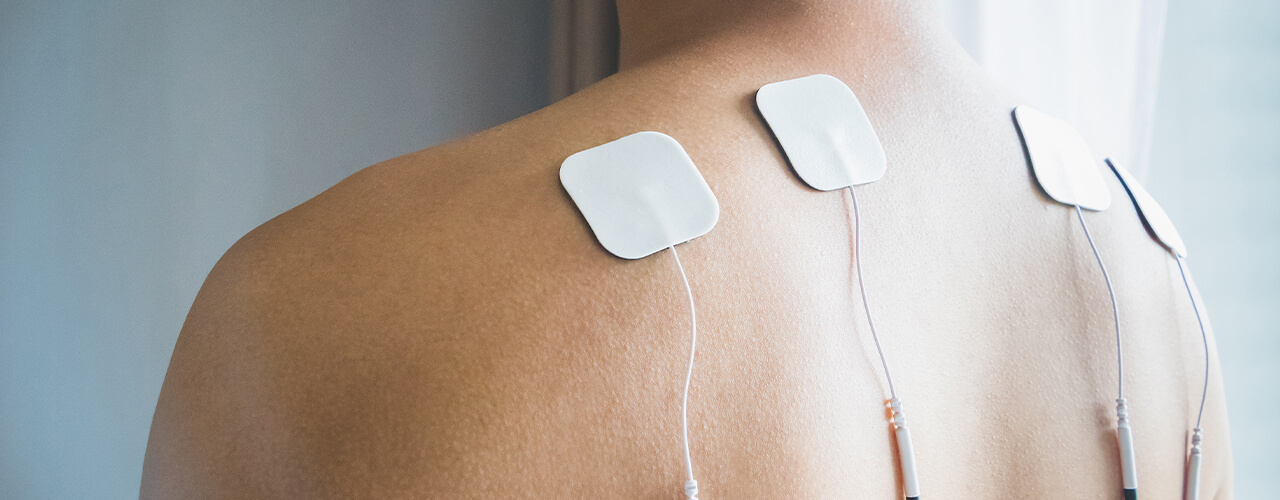
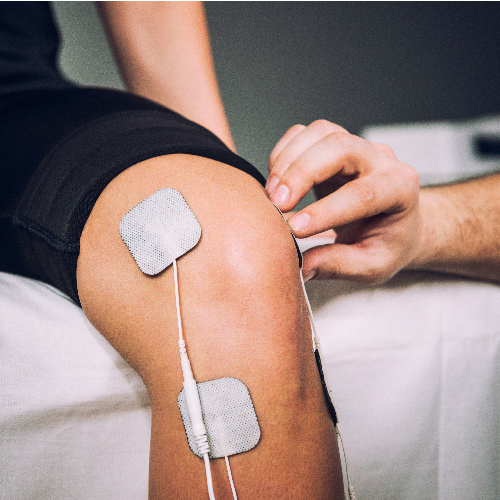
Electrical stimulation is a treatment that uses gentle electrical signals to activate muscles or influence how nerves respond. Small adhesive pads are placed on the skin near targeted muscles. These signals help muscles contract or relax in a controlled way.
Patients often ask about electrical stimulation when muscles feel weak, tight, or difficult to engage. Some people notice poor muscle response after injury or surgery. Others experience discomfort that limits movement. Electrical stimulation helps the body reconnect with muscles and supports movement when natural activation feels challenging.
When Electrical Stimulation May Be Used in Care
Physical therapists at Pelham Physical Medicine Diagnostic & Treatment Center typically include electrical stimulation when movement needs added support. The treatment often helps when muscles struggle to activate, when pain interferes with exercise, or when stiffness limits motion. However, electrical stimulation does not replace movement. Instead, it supports movement by making exercise and activity more manageable.
Therapists always determine use based on an individual evaluation. Electrical stimulation fits into care plans focused on restoring function rather than relying on passive treatment alone.
Common Situations Electrical Stimulation May Help
Electrical stimulation may help people who experience:
- Muscle weakness after injury or surgery
- Difficulty activating specific muscles
- Pain that limits exercise or movement
- Joint stiffness with reduced muscle support
- Swelling that affects muscle control
- Reduced endurance during rehabilitation
- Trouble regaining strength after inactivity
- Movement hesitation caused by discomfort
These situations often improve when muscles receive added support during recovery.
How Electrical Stimulation at Pelham Physical Medicine Diagnostic & Treatment Center Supports Your Recovery
Electrical stimulation works best when combined with exercise, movement training, and education. Therapists at Pelham Physical Medicine Diagnostic & Treatment Center integrate it into active care plans based on individual needs and goals.
- Muscle activation support helps weak muscles engage, which improves movement quality.
- Controlled muscle contraction improves strength, which supports daily activity.
- Sensory input reduces discomfort, which allows better participation in exercise.
- Improved circulation supports tissue health, which supports recovery.
- Muscle relaxation reduces tension, which improves comfort with movement.
- Combined use with exercise improves coordination, which supports. safer activity
Each approach supports recovery by making movement more effective and comfortable.
How Electrical Stimulation Fits Into Physical Therapy at Pelham Physical Medicine Diagnostic & Treatment Center
Electrical stimulation is a supportive tool, not a stand-alone solution. Physical therapists focus on restoring strength, control, and movement patterns that carry over into daily life. Electrical stimulation helps prepare muscles for exercise and reinforces proper activation during movement.
Patients value this approach because care stays active and goal-focused. Electrical stimulation helps bridge the gap between limited muscle response and confident, independent movement.
Begin Electrical Stimulation at Pelham Physical Medicine Diagnostic & Treatment Center
Recovery often requires more than rest alone. Electrical stimulation helps support muscle activation, comfort, and movement when progress feels slow. Pelham Physical Medicine Diagnostic & Treatment Center integrates electrical stimulation into individualized physical therapy plans that focus on functional goals and steady improvement. Contact the clinic today to learn how electrical stimulation in Bronx, NY can support your recovery and help you move with greater confidence.
Frequently Asked Questions
What does electrical stimulation feel like during treatment?
Can electrical stimulation help if my muscles feel hard to activate?
Is electrical stimulation used on its own or with exercise?
Your Next Steps…
- Request An Appointment
- Receive A Custom Treatment Plan
- Work Hard and Progress In Your Recovery
- Recover & Enjoy Life Pain-Free
Supporting Movement, Recovery, And Healthy Aging
related blogs
-

Pain Management After Surgery: How Post-Op Rehab Plays a Key Role
Recovering from surgery can be challenging, especially when pain becomes a major concern. Effective pain management after surgery is essential for a successful recovery, and post-operative rehabilitation plays a critical role in this process. At , the focus is on a comprehensive approach that includes swelling control, manual therapy, and gradual improvements in range of
-
Post-Op Rehab After Joint Replacement: Key Strategies for Success
Joint replacement surgery offers a significant opportunity to reduce pain and improve mobility for those suffering from severe joint damage. However, the surgery itself is only the beginning of the recovery journey. Post-op rehab for joint replacement at is essential for achieving full functionality and long-term success. Effective rehabilitation focuses on several critical components, including
-
Hip Replacement Rehab Dos and Don’ts: Advice from a Physical Therapist
Recovering from a hip replacement is a journey that requires patience, consistency, and the right approach. While the surgery itself is a significant step toward pain relief and improved mobility, what happens during rehabilitation can determine the long-term success of your recovery. Following key hip replacement rehab dos and don’ts ensures you regain function safely