
Improving Tissue Mobility to Support Easier Movement
The Graston Technique in Bronx, NY helps people move more comfortably when stiffness, tightness, or lingering discomfort limit daily activity. The Graston Technique can help when muscles or soft tissue feel restricted, and movement does not feel smooth. At Pelham Physical Medicine Diagnostic & Treatment Center, our physical therapists use the Graston Technique as part of an active physical therapy plan to support tissue mobility, improve movement, and help patients return to daily tasks with greater ease.
A Closer Look at the Graston Technique
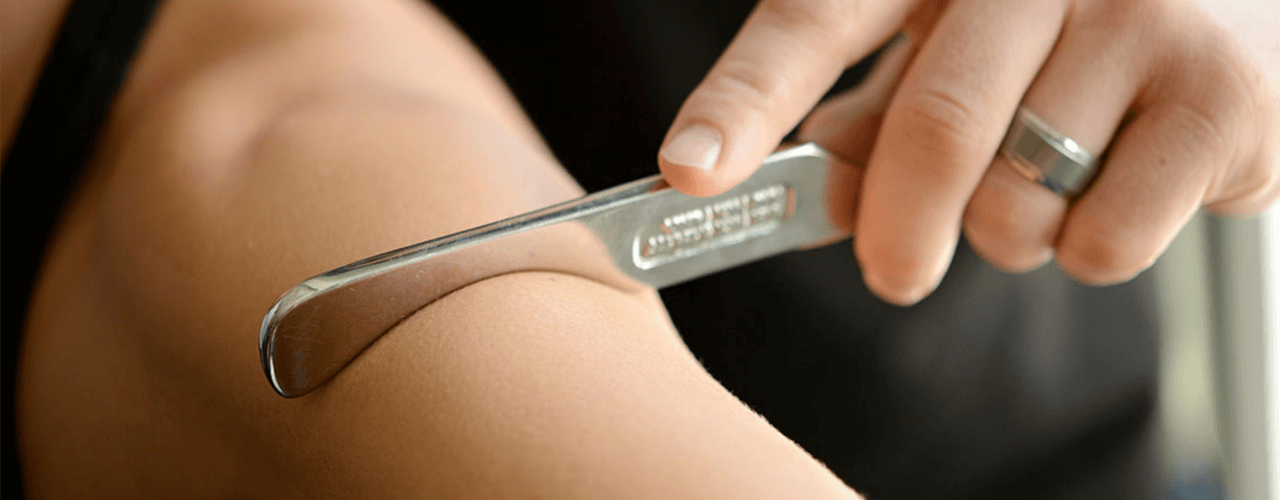
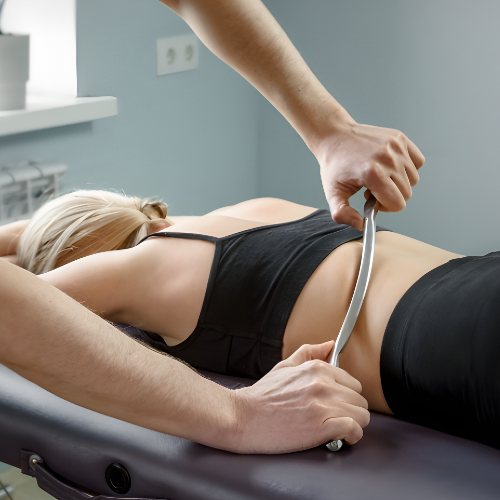
The Graston Technique is a form of instrument-assisted soft tissue mobilization. Physical therapists use specially designed stainless steel tools to glide over the skin and address areas of tissue restriction. These tools help therapists detect changes in soft tissue texture and apply targeted pressure where movement feels limited.
Patients often ask about the Graston Technique when stretching alone does not improve mobility or when tight areas continue to interfere with movement. Some people notice pulling or stiffness during walking, lifting, or reaching. Others feel discomfort that lingers after activity. The Graston Technique helps prepare soft tissue to move more freely, so exercise and daily activity feel easier.
When the Graston Technique May Be Used in Care
Physical therapists at Pelham Physical Medicine Diagnostic & Treatment Center may use the Graston Technique when soft tissue restriction limits motion or contributes to discomfort. The technique often helps when muscles feel tight, movement feels restricted, or recovery stalls despite exercise alone. The Graston Technique supports care by improving tissue mobility so the body can move with less resistance.
Use of the Graston Technique depends on an individual evaluation. Therapists select this approach based on movement goals and how the body responds to hands-on care. The technique always fits into a broader plan that emphasizes active movement and functional recovery.
Situations Where the Graston Technique May Help
The Graston Technique may help patients who experience:
- Muscle tightness that limits movement
- Soft tissue restriction after injury
- Stiffness following surgery or immobilization
- Tendon discomfort during activity
- Reduced mobility affecting daily tasks
- Lingering soreness after repetitive activity
- Movement limitations that slow rehabilitation
- Discomfort that does not improve with stretching alone
These situations often respond well when soft tissue mobility improves.
How the Graston Technique at Pelham Physical Medicine Diagnostic & Treatment Center Supports Your Recovery
The Graston Technique works best as part of a complete physical therapy plan that includes exercise, movement training, and education. Therapists at Pelham Physical Medicine Diagnostic & Treatment Center integrate the technique to support active recovery rather than replace movement.
- Targeted soft tissue work improves tissue glide, which supports smoother movement.
- Reduction of tissue restriction improves flexibility, which supports daily activity.
- Improved circulation supports tissue health, which supports recovery.
- Preparation of tissue improves tolerance to exercise, which supports progress.
- Reduced tightness improves comfort, which supports confidence with movement.
- Combination with movement training improves carryover, which supports lasting results.
Each approach helps patients move more freely and participate more fully in care.
How This Technique Fits Into Physical Therapy at Pelham Physical Medicine Diagnostic & Treatment Center
The Graston Technique is one tool within a movement-focused physical therapy approach. Physical therapists use it to address soft tissue limitations that interfere with strength, coordination, and functional movement. After treatment, therapists guide patients through exercises and movement tasks that reinforce improved mobility.
Patients value this approach because it keeps care active and goal-driven. The Graston Technique supports progress by making movement training more effective and comfortable.
Start Graston Technique Treatment at Pelham Physical Medicine Diagnostic & Treatment Center
Restricted movement can slow recovery and limit daily activity. The Graston Technique helps address soft tissue restrictions so movement feels easier and more controlled. Pelham Physical Medicine Diagnostic & Treatment Center integrates the Graston Technique into individualized physical therapy plans that focus on functional goals and steady progress. Contact the clinic today to learn how the Graston Technique in Bronx, NY can support your recovery and help you move with greater confidence.
Frequently Asked Questions
What does the Graston Technique feel like during treatment?
Is the Graston Technique used by itself or with exercise?
How do therapists decide if the Graston Technique is appropriate?
Your Next Steps…
- Request An Appointment
- Receive A Custom Treatment Plan
- Work Hard and Progress In Your Recovery
- Recover & Enjoy Life Pain-Free
Supporting Movement, Recovery, And Healthy Aging
related blogs
-

Pain Management After Surgery: How Post-Op Rehab Plays a Key Role
Recovering from surgery can be challenging, especially when pain becomes a major concern. Effective pain management after surgery is essential for a successful recovery, and post-operative rehabilitation plays a critical role in this process. At , the focus is on a comprehensive approach that includes swelling control, manual therapy, and gradual improvements in range of
-
Post-Op Rehab After Joint Replacement: Key Strategies for Success
Joint replacement surgery offers a significant opportunity to reduce pain and improve mobility for those suffering from severe joint damage. However, the surgery itself is only the beginning of the recovery journey. Post-op rehab for joint replacement at is essential for achieving full functionality and long-term success. Effective rehabilitation focuses on several critical components, including
-
Hip Replacement Rehab Dos and Don’ts: Advice from a Physical Therapist
Recovering from a hip replacement is a journey that requires patience, consistency, and the right approach. While the surgery itself is a significant step toward pain relief and improved mobility, what happens during rehabilitation can determine the long-term success of your recovery. Following key hip replacement rehab dos and don’ts ensures you regain function safely