
Encouraging Fluid Movement to Reduce Swelling and Discomfort
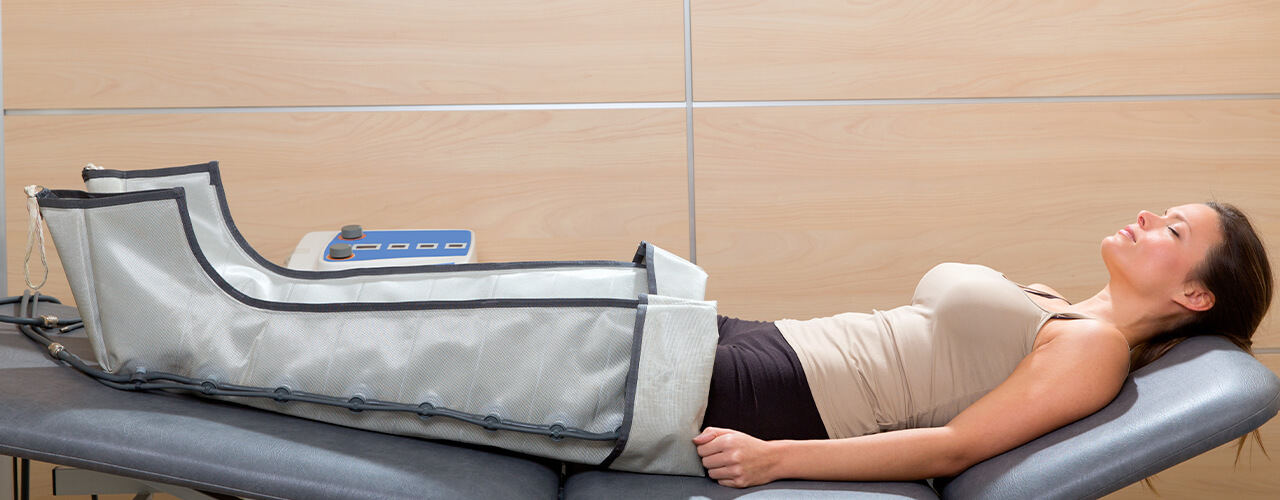
Swelling can change how the body moves, feels, and recovers, causing affected limbs to feel heavy, stiff, or slow to respond during daily activity. These changes often affect comfort, balance, and confidence with movement. Lymphatic therapy in Bronx, NY is used to support fluid movement within the body so tissues can move more freely. At Pelham Physical Medicine Diagnostic & Treatment Center, lymphatic therapy is incorporated into active care plans to help patients feel lighter, move more easily, and progress through recovery.
What Lymphatic Therapy Addresses During Recovery
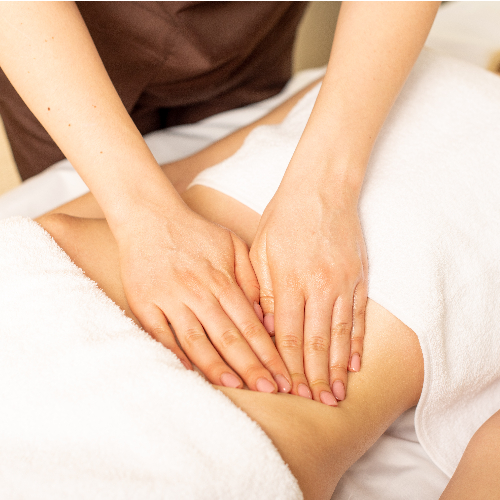
Lymphatic therapy focuses on supporting the lymphatic system, which helps manage fluid balance and waste removal in the body. When this system slows, fluid can build up in tissues and contribute to swelling, stiffness, or discomfort. Gentle, specific techniques help encourage fluid movement so the body can regulate swelling more effectively.
Patients often ask about lymphatic therapy when swelling lingers after injury, surgery, or periods of reduced movement. Others notice heaviness or tightness that limits motion during walking, reaching, or exercise. Lymphatic therapy helps reduce these barriers so movement feels more natural and comfortable.
When Do We Use Lymphatic Therapy?
Providers at Pelham Physical Medicine Diagnostic & Treatment Center may use lymphatic therapy when swelling interferes with movement or slows recovery. The treatment often supports care when stiffness increases due to fluid buildup, when discomfort limits activity, or when tissues feel restricted during motion.
Use of lymphatic therapy depends on an individual evaluation. Therapists assess swelling patterns, movement limitations, and daily activity demands before including this approach. Lymphatic therapy supports recovery by preparing the body for exercise, movement training, and functional activity.
Common Situations Lymphatic Therapy May Help
Lymphatic therapy may help patients who experience:
- Swelling after surgery or injury
- Heaviness or tightness in an arm or leg
- Reduced range of motion related to fluid buildup
- Discomfort during movement caused by swelling
- Recovery challenges after prolonged inactivity
- Tissue sensitivity that limits activity tolerance
- Stiffness that does not improve with movement alone
- Swelling that affects balance or walking
These situations often improve when fluid movement becomes more efficient.
How Lymphatic Therapy at Pelham Physical Medicine Diagnostic & Treatment Center Supports Recovery
Lymphatic therapy works best as part of a broader care plan that includes exercise, movement training, and education. At Pelham Physical Medicine Diagnostic & Treatment Center, therapists integrate lymphatic therapy to support active recovery and functional progress.
- Gentle manual techniques encourage fluid movement, which reduces swelling.
- Reduced tissue pressure improves comfort, which supports easier movement.
- Improved circulation supports tissue health, which supports recovery.
- Decreased heaviness improves mobility, which supports daily activity.
- Improved tissue response supports exercise tolerance, which supports progress.
- Combined use with movement training improves carryover, which supports lasting results.
Each approach helps restore balance between fluid movement and functional activity.
How Lymphatic Therapy Fits Into Care at Pelham Physical Medicine Diagnostic & Treatment Center
Lymphatic therapy is one component of a movement-focused rehabilitation approach. Therapists use it to address swelling that can not be addressed with exercise alone. After treatment, patients can apply their improved mobility through guided movement and functional tasks.
Patients value this approach because care remains active and goal-driven. Lymphatic therapy supports recovery by reducing physical barriers that make movement feel difficult or uncomfortable.
Supporting Recovery When Swelling Slows Progress
Swelling can make recovery feel unpredictable and frustrating. Lymphatic therapy helps manage fluid buildup so movement feels lighter and more controlled. Pelham Physical Medicine Diagnostic & Treatment Center integrates lymphatic therapy into individualized care plans that emphasize movement, function, and steady progress. Reach out today to learn how lymphatic therapy in Bronx, NY can support your recovery and help daily movement feel more manageable.
Frequently Asked Questions
How does lymphatic therapy differ from traditional massage?
Can lymphatic therapy help swelling that comes and goes?
Is lymphatic therapy used alongside exercise?
Your Next Steps…
- Request An Appointment
- Receive A Custom Treatment Plan
- Work Hard and Progress In Your Recovery
- Recover & Enjoy Life Pain-Free
Supporting Movement, Recovery, And Healthy Aging
related blogs
-

4 Ways You Can Start Improving Your Health, Strength, and Fitness Levels Today!
Did you know that more than 15 percent of American adults get no physical activity during their leisure time? We’re all aware of the health benefits of exercise, so why does it sometimes feel so difficult to stay active? If your yoga mat has been thrown to the back of the closet or your running
-
9 Ways Stretching Can Improve Your Health and Wellness
Is stretching part of your daily life? If not, it should be. Stretching is a great way to start your day and it comes with a wide range of benefits. Don’t know where to start? Don’t fret! Our licensed physical therapists can help you create a stretching plan that will work best for you. To
-
Staying Active By Incorporating These 5 Easy Steps into Your Lifestyle
With your busy life, it can be difficult to find time for physical activity. We all understand too well the lengthy to-do list that never seems to get completed. After a full day of work, running errands, making dinner, and still trying to find time to relax, it can be tough to try and force