Relieving Arthritis Pain
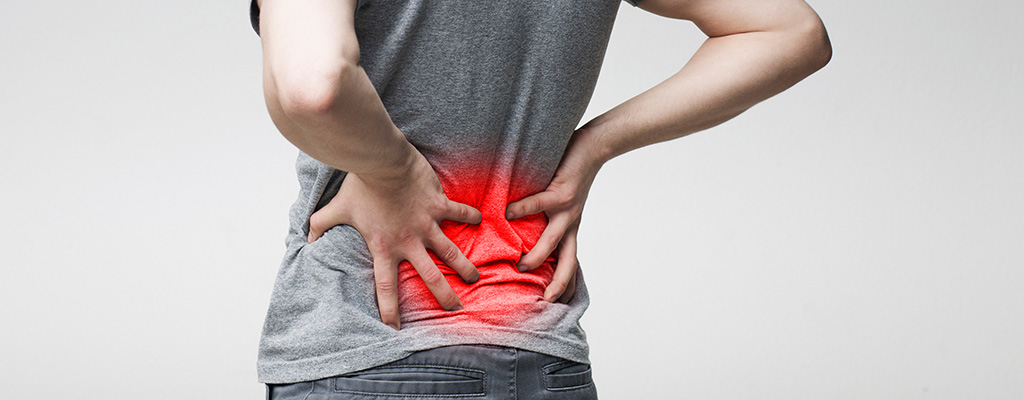
Are you experiencing pain in your groin or stiffness in your back? Do you find it painful to go up and down stairs? Are these symptoms making it difficult for you to go about your daily routine?
You could be suffering from osteoarthritis.
Osteoarthritis is the most common form of arthritis, affecting nearly 30 million nationwide. OA is a degenerative joint disease often described as “wear and tear” arthritis. Repetitive movement and prior injuries also contribute to the condition. Early on, the condition most commonly is associated with stiffness and ache after prolonged rest and inactivity. As the condition advances, inflammation leads to pain and loss of motion in the joints. While arthritis can be debilitating, there’s a lot that you can do to alleviate the pain and improve your function, joint movement, muscle strength, balance, and coordination. It’s even possible to eliminate symptoms, depending on the amount of arthritis you have.
Call our clinic today to make an appointment. With guidance from your physical therapist, you can find solutions to your pain and get back to living the life you enjoy!

Patient Success Story
“My eleven year old son had fractured his toe on his right foot, after it healed he had difficulties moving his toe. He started physical therapy at Pelham Physical and it was an amazing experience everyone is so nice and and helpful. They really took their time and worked closely with my son on his injury and helped him regain movement of his toe. I’m very satisfied and would recommend this place to anyone.”
– E.O.
What Is Arthritis, Exactly?
Osteoarthritis is also known as degenerative joint disease. The main characteristic is the loss of articular cartilage and joint disability. It is known as the “wear and tear” form of arthritis. The breakdown of the cartilage affects the whole joint, causing inflammation, bone/joint structural changes, and bone spur formation.
Primary osteoarthritis has no known cause, but almost 30–65% is thought to be genetically determined. Secondary osteoarthritis mainly comes from traumatic events. Despite the differences in the causes, the two types of osteoarthritis progress in similar directions, ultimately resulting in the loss and destruction of articular cartilage.
Typical symptoms include pain, muscle weakness, joint instability, brief morning stiffness, crepitus (i.e., noises like snaps and pops), and physical inactivity.

What Causes Osteoarthritis?
There is increasing evidence that different risk factors are associated with osteoarthritis, including:
- Obesity
- Genetic predispositions
- Sociodemographic characteristics (e.g., female gender, African-American race)
- Specific bone/joint shapes
There are also physical risk factors associated with increased osteoarthritis including:
- Joint injury
- Participation in certain occupational activities (i.e., repetitive movements like bending or prolonged positions like sitting/driving)
- Participation in sports (i.e. contact sports)
- Thigh flexor muscle weakness and knee osteoarthritis
- Joint malalignment
Although aging is one of the most significant risk factors for osteoarthritis, obesity is also a major contributor to developing osteoarthritis. Obese patients have extra weight on their bodies that add to cartilage breakdown.
Recent research suggests that unhealthy diets are associated with systemic inflammation. This inflammation is responsible for a 2.5-times higher likelihood of experiencing knee pain than patients with healthy weight and diets and similar cartilage damage.
However, this cycle can be broken by improving joint movement, muscle strength, balance, and coordination, reducing pain and inflammation.
How Physical Therapy Can Help Arthritis
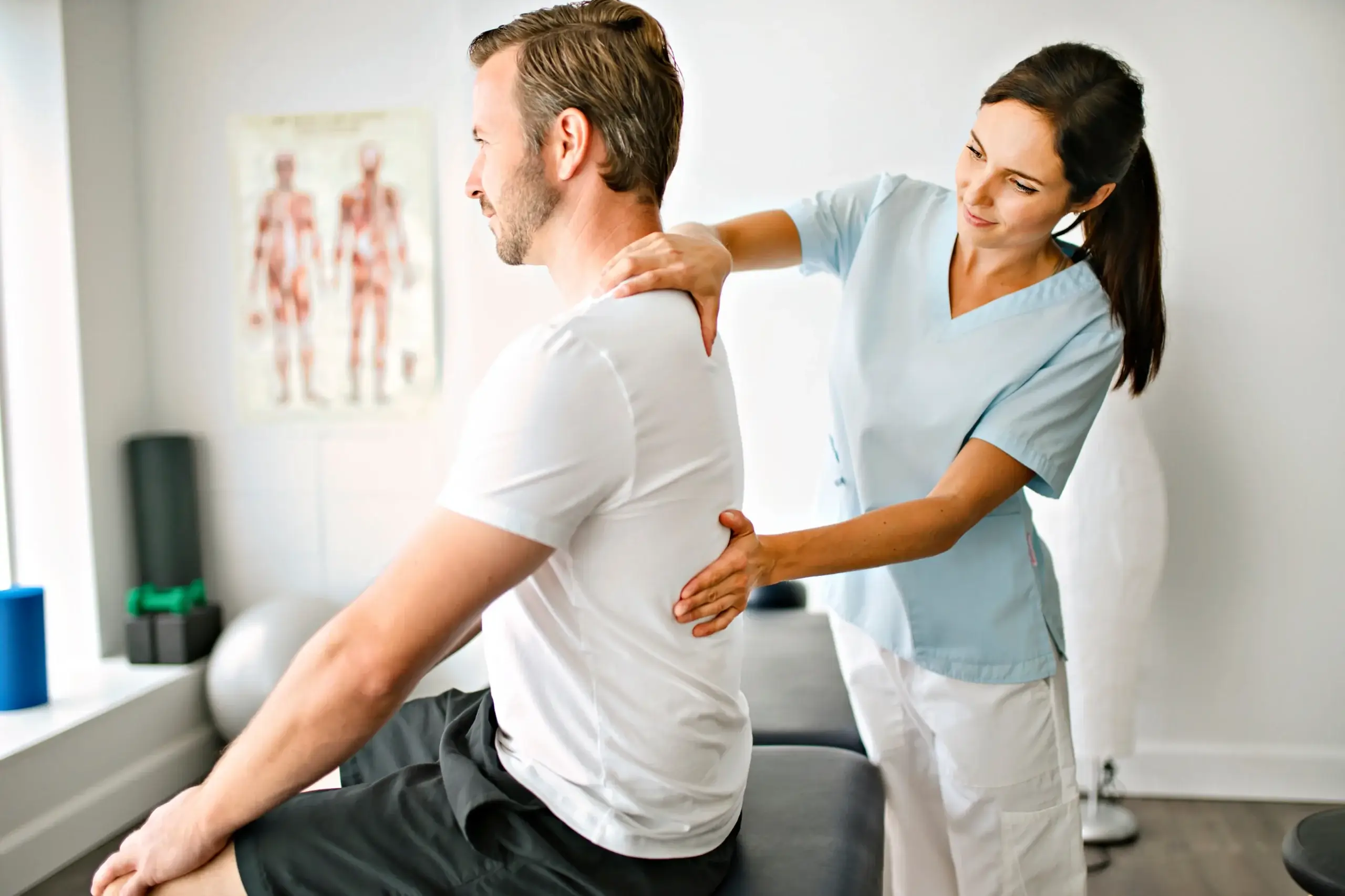
Your physical therapist will assess your particular condition to identify the contributing factors and address all of them. Regardless of the cause of arthritis, physical therapy plays a significant role in treating arthritis symptoms and should be the first step.
Your therapist can educate you on how regular physical activity and individualized exercise programs can reduce your pain, prevent the condition from worsening, and improve daily function.
Physical therapists can also help you choose healthier lifestyles for losing weight if you are overweight or obese. In addition, your PT can guide you on ways to maintain a healthy weight using diet changes and exercise.
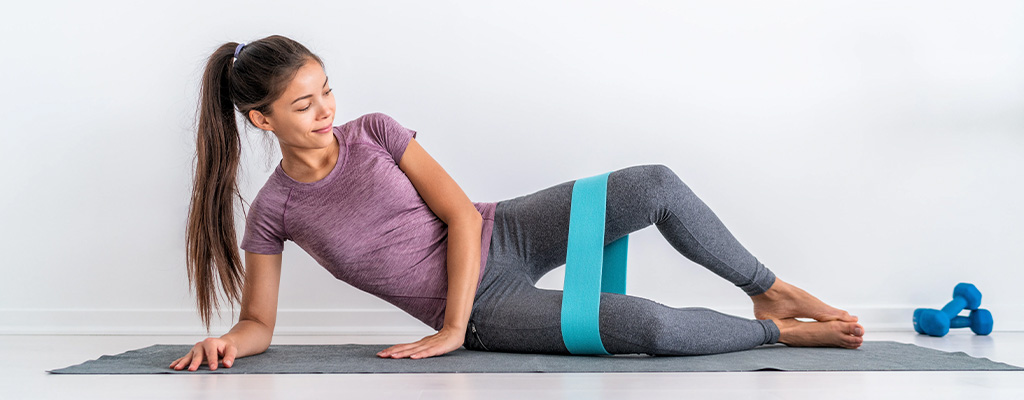
In many cases, physical therapy can help patients by choosing specific exercises and designing appropriate strengthening exercises that improve your function without aggravating your pain. Your therapist can help you reclaim a healthy lifestyle. From start to finish, we’re dedicated to your ongoing well-being. On every level, physical therapy serves to enhance the patient’s quality of life.

Meet Our Team


Call Our Clinic Today
Contact one of our providers today, and tell us about your symptoms. We offer the results you are looking for!

Green Muffins Recipe — Perfect for St. Patrick’s Day
Ingredients:
- 2 cups whole wheat pastry flour white whole wheat flour or spelt flour
- 2 teaspoons aluminum-free baking powder
- ½ teaspoon baking soda
- ½ teaspoon fine ground sea salt
- 1 large egg
- ¾ cup pure maple syrup
- ¾ cup dairy or non-dairy milk such as almond milk
- ¼ cup unrefined coconut oil melted
- 2 teaspoons pure vanilla extract
- 1 5- or 6-ounce bag of fresh baby spinach leaves
- 2 medium ripe bananas mashed
Directions:
- Preheat oven to 350 degrees and line a standard 12-cup muffin tin with unbleached parchment liners.
- In a large bowl, whisk together the flour, baking powder, baking soda and salt.
- In a blender add egg, maple syrup, milk, oil, vanilla and spinach. Process until pureed.
- Add spinach mixture to the flour mixture and stir until just combined. Fold in the mashed banana.
- Scoop batter into prepared muffin tin, filling cups about ¾ full. I like to do this with a large ice cream scooper. Bake about 25 minutes, or until toothpick inserted into the center comes out clean.
- Store at room temperature up to 3 days. These freeze nicely!
3 Simple Movements to Help Alleviate OA Pain
If you have osteoarthritis, it’s important to stay active to help keep your joints healthy. While our physical therapists can help you develop a suitable exercise program, you can also incorporate movement in small ways throughout the day. These simple exercises will help mobilize your joints, and you can easily do them at home. Of course, check with your PT before starting anything new!
Ankle Circles
While sitting in a chair, stretch your feet out in front of you, keeping them neutral (neither pointed or flexed). Gently tilt both feet in one direction, then repeat in the other.
Knee Raises
Sit on the edge of your chair with your back straight and your feet planted on the floor. Slowly lift your knee as high as possible without bending your back, guiding it up with your hands if necessary. Then, making sure to keep your core tight, gently lower your foot back to the floor. Repeat on the other side.
Overhead Shoulder Stretches
You can do this exercise sitting or standing. Hold your arms at your side, your elbows bent at a 90-degree angle and your thumbs pointed toward your shoulders. Then, stretch your arms straight overhead and slowly lower back down. If lifting both arms is too difficult, lift them one at a time. You can guide your arm up under the elbow if necessary.
Call Today to Get Started
Looking for more simple arthritis stretches? Call Pelham for an appointment today!
Sources
- https://pubmed.ncbi.nlm.nih.gov/32364594/
- https://www.ncbi.nlm.nih.gov/pmc/articles/PMC5832048/
- https://www.hopkinsarthritis.org/arthritis-research/
- https://www.frontiersin.org/articles/10.3389/fimmu.2021.631291/full
- https://www.sciencedirect.com/science/article/pii/S106345841931297X
- https://pubmed.ncbi.nlm.nih.gov/25785564/
- https://arthritis.ca/living-well/2020/top-10-arthritis-exercises
- https://journals.lww.com/co-rheumatology/Abstract/2018/03000/Epidemiology_of_osteoarthritis__literature_update.5.aspx
- https://pamelasalzman.com/green-muffins-recipe-perfect-st-patricks-day/