
What Role Can Physical Therapy Play In Lymphedema Treatment?
Do you or a loved one have lymphedema? If so, you know firsthand how difficult it can be to manage various symptoms as they develop. Lymphedema is a painful, chronic swelling condition that will inevitably progress.
The unfortunate truth is that currently, there is no cure for lymphedema; however, Pelham Physical Medicine strives to help our patients with this condition to manage their symptoms effectively and safely and also lessen the impact it has on their lifestyle.
There is good news on the horizon, though; physical therapy can help with the pain and daily discomfort that lymphedema brings. The goal of physical therapy at Pelham Physical Medicine is to help you to enjoy the things you love doing without worrying about limitations caused by your condition. Call our clinic today to learn more about combating the symptoms of lymphedema, and let us set up an appointment for you!


Patient Success Story
“Excellent facility. Knowledgeable and friendly staff. Kristina is very thorough and an excellent physical therapist. I saw improvements in my range of motion starting with my very first session.”
– Kevin Jackson
Causes & symptoms of lymphedema
The lymphatic system is an important part of your immune and circulatory systems, so lymphedema may occur when it is not working properly. It’s a network of vessels that carry lymph fluid to the core.
Lymphedema is categorized as a disease involving swelling that usually occurs in the upper or lower extremities due to excessive build-up of lymph fluid. If your lymphatic system is blocked, you can feel swelling in your arms or legs as the fluid is not able to drain properly.
Improper drainage results in the build-up of lymph fluid in your arms and legs, which can pose potential health hazards if left untreated. There are two kinds of lymphedema. Both of these conditions are difficult to deal with, but they occur for different reasons.
Primary lymphedema
Primary lymphedema is either hereditary or develops on its own. The cause of primary lymphedema is not always apparent. Your primary care physician may want to take additional imaging tests to look at your lymphatic system and to rule out any potential conditions.
Secondary lymphedema
Secondary lymphedema occurs as a result of a disease or disorder. It can also happen after a person is treated for cancer; oftentimes, during surgical treatments, lymph nodes are weakened or removed entirely.

Benefits of physical therapy for patients with lymphedema
Physical therapy is supported on many research fronts as the safest, most cost-effective treatment method for people living with either primary or secondary lymphedema. The goal of physical therapy treatment is to lessen and/or improve pain symptoms as well as maximize current function.
Functional improvement is also the main focus of physical therapy treatment for lymphedema. This condition can cause a major decline in a person’s independence levels and quality of life. Even the most simple of tasks can prove to be difficult, such as dressing oneself, walking and moving around comfortably, and occupational tasks.
Physical therapists at Pelham Physical Medicine mitigate the limiting effects of their symptoms and learn adaptations and modifications to improve functional performance and safety. Our therapists employ a variety of therapeutic methods, including manual lymphatic drainage massage, compression garments, limb-wrapping techniques, therapeutic exercises, and complete decongestive therapy. These therapeutic methods can successfully minimize pain, swelling, aches, and other symptoms of lymphedema.
If you’re experiencing the following symptoms, speaking with a licensed physical therapist at Pelham Physical Medicine is a great way to learn more about managing your discomfort.
Signs to look out for include:
- Restricted range of motion
- Heaviness/tightness
- Aching/discomfort
- Fibrosis
- Infections
- Swelling
Physical therapists know how to recognize and treat these aspects of lymphedema, and they have a variety of methods that may help you find much-needed relief.

Treating lymphedema
Pelham Physical Medicine will create a customized treatment plan for your lymphedema. This plan will be determined by your physical exam, medical history, and the severity of your symptoms. Manual therapy and light exercises will be emphasized in lymphatic treatment plans.
For patients with lymphedema, a type of manual therapy known as “manual lymph drainage” is commonly used. It promotes lymph fluid flow in your upper and lower extremities, and additional massages may be used to increase circulation and provide relief.
Exercising the affected limb(s) promotes lymph fluid drainage as well. One of our physical therapists will design your exercise program, which will include gentle muscle contractions to help you regain function and improve your range of motion.
Wrapping, compression, or complete decongestive therapy may be added to your treatment plan as our physical therapist deems it appropriate.
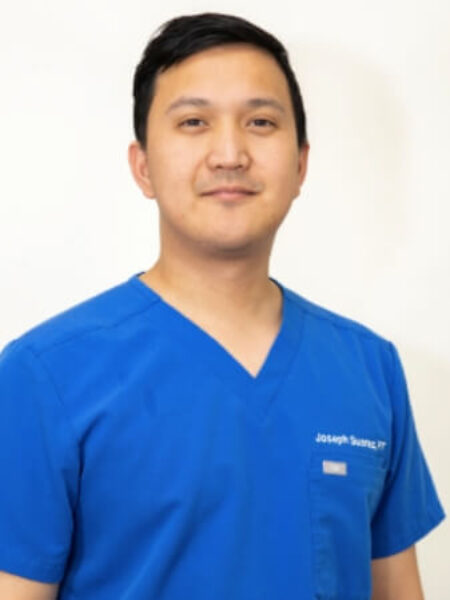
Meet Our Team


Contact our clinic for an appointment!
Lymphedema may currently rule your life, but it doesn’t have to be this way forever. If you struggle to handle symptoms of lymphedema at home and are looking for help, your journey to real pain management begins here. Pelham Physical Medicine is here to help you make improvements to your overall health and everyday life, so don’t wait any longer! Contact us today to make an appointment at our office.

Grilled Eggplant with Feta
Ingredients:
- 1 large eggplant
- 1 tablespoon red wine vinegar
- 1 tablespoon extra-virgin olive oil
- 2 teaspoons dried oregano
- 1 large garlic clove, or 2 small cloves, pressed or minced
- 1/2 teaspoon kosher salt, plus more as needed
- 2 ounces feta cheese, crumbled (about 1/3 cup)
Directions:
- Preheat the grill to high.
- Trim the ends off of the eggplant and cut it crosswise into 12 1/2-inch thick slices. Season just the tops of the slices lightly with salt.
- In a small bowl, whisk together the red wine vinegar, olive oil, dried oregano, garlic, and salt.
- Lay the eggplant slices on the grill with the salted side up. Grill, uncovered, for 5 minutes, then flip.
- Spoon or brush all of the garlic-herb mixture over the tops, sprinkle evenly with the feta, then cover the grill and continue grilling until the cheese is melted and the eggplant is tender, about 5 minutes more.
- Transfer the grilled eggplant to a serving platter and serve hot or warm.
No Referral? No Problem!
Did you know we can see you for PT with or without a doctor or other healthcare provider’s referral?
One of our physical therapists will evaluate you, and customize a treatment plan to reduce your pain and get you moving better. Refer yourself or someone you care about! Get started today!