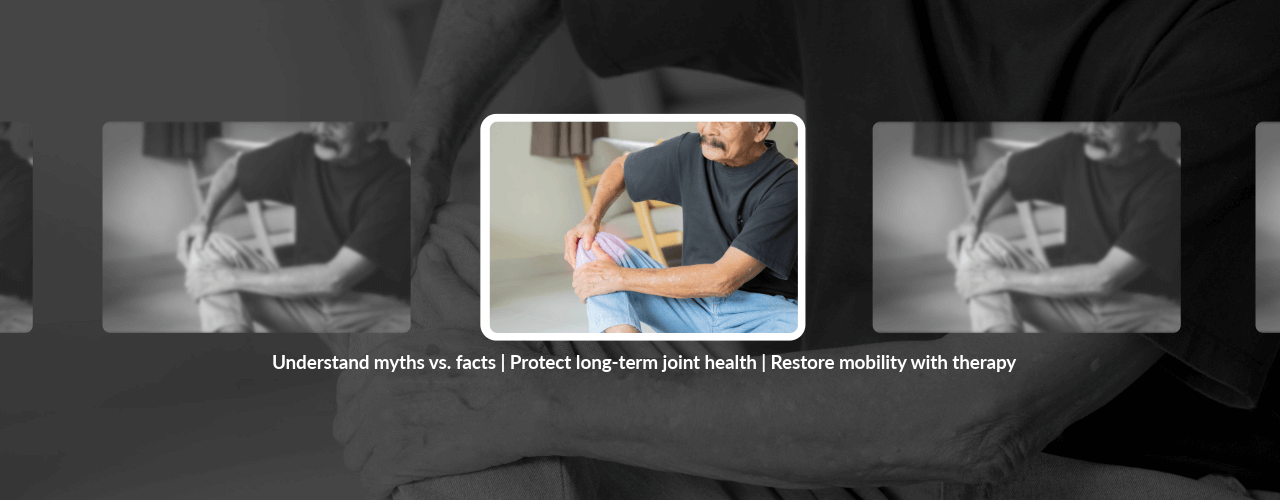


The knee supports nearly every step, squat, and turn you take. Over time, wear, injury, or overuse can irritate its structures, including the bones, cartilage, ligaments, and tendons. When this happens, the body responds with inflammation. This inflammation leads to knee swelling and pain, which can limit movement and make daily activities uncomfortable. Many people misunderstand what swelling means or how to handle it. Let’s clear up a few common myths and replace them with facts that help protect your joint health.
Why the Knee Is Prone to Pain and Swelling: Myths vs. Facts
Myth 1: Swelling Always Means Something Is Torn
Fact: Not all swelling signals a serious injury. Mild inflammation can occur from overuse, increased activity, or even prolonged sitting. However, persistent swelling may point to irritation inside the joint, such as early arthritis or a meniscus injury. If swelling lasts more than a few days or happens repeatedly, it’s important to have your knee evaluated by a professional to determine the cause.
Myth 2: Resting Completely Is the Best Way to Heal
Fact: Rest is helpful in the first day or two after an injury, but complete inactivity can slow recovery. Joints depend on movement for circulation and nutrient flow. Gentle, guided activity helps reduce swelling and prevents stiffness. Physical therapists use light exercises and range-of-motion techniques to restore balance and relieve discomfort safely.
Myth 3: Ice Eliminates Swelling
Fact: Ice helps reduce pain and slows inflammation, but it doesn’t remove swelling completely. Its main role is pain control. The body naturally absorbs excess fluid as healing progresses. Alternating ice with gentle movement and elevation improves circulation and supports recovery more effectively than icing alone.
Myth 4: Knee Pain Means You Should Avoid Exercise
Fact: The right kind of movement actually helps your knee heal. Strengthening the muscles around the joint takes pressure off the cartilage and ligaments, reducing discomfort. Physical therapy provides safe, targeted exercises that improve mobility, alignment, and stability. Staying active under professional guidance protects joint health and prevents future injuries.
Myth 5: Knee Swelling and Pain Are Just a Normal Part of Aging
Fact: While knee pain becomes more common with age, it is not inevitable. Many causes, such as weak muscles, poor alignment, or limited mobility, can be treated successfully. Addressing these issues early helps maintain strong, pain-free movement at any age. Aging joints respond well to therapy that improves mobility and strength.
How Physical Therapy Restores Knee Health
Physical therapy offers personalized, non-surgical care for knee swelling and pain. After identifying the source of discomfort, a therapist uses hands-on techniques and guided exercises to promote healing.
What Treatment Techniques Are Included?
Manual Therapy
- Targeted joint and soft tissue work to relieve tightness and improve mobility.
Stretching and Strengthening
- Exercises that restore balance and stability in the muscles around the knee.
Education
- Teaching proper movement, posture, and body mechanics to prevent flare-ups.
Home Care Guidance
- Tips for activity modification, safe exercise, and swelling control.
These approaches not only relieve current symptoms but also support long-term joint health.
Why Early Care Makes a Difference
Ignoring knee pain can lead to muscle weakness and reduced flexibility, which increases stress on the joint. Early treatment helps you recover faster and avoid chronic stiffness or instability. The sooner you address swelling and discomfort, the easier it is to maintain healthy, pain-free motion.
Find Relief and Confidence at Pelham Physical Medicine Diagnostic & Treatment Center
At Pelham Physical Medicine Diagnostic & Treatment Center, our licensed physical therapists specialize in treating knee swelling and pain through evidence-based care. We focus on restoring movement, reducing inflammation, and improving strength so you can return to the activities you enjoy. Contact Pelham Physical Medicine Diagnostic & Treatment Center in Bronx, NY today to schedule your evaluation and take the first step toward better joint health.