

Common Signs You Should Seek Physical Therapy for Herniated Disc Pain
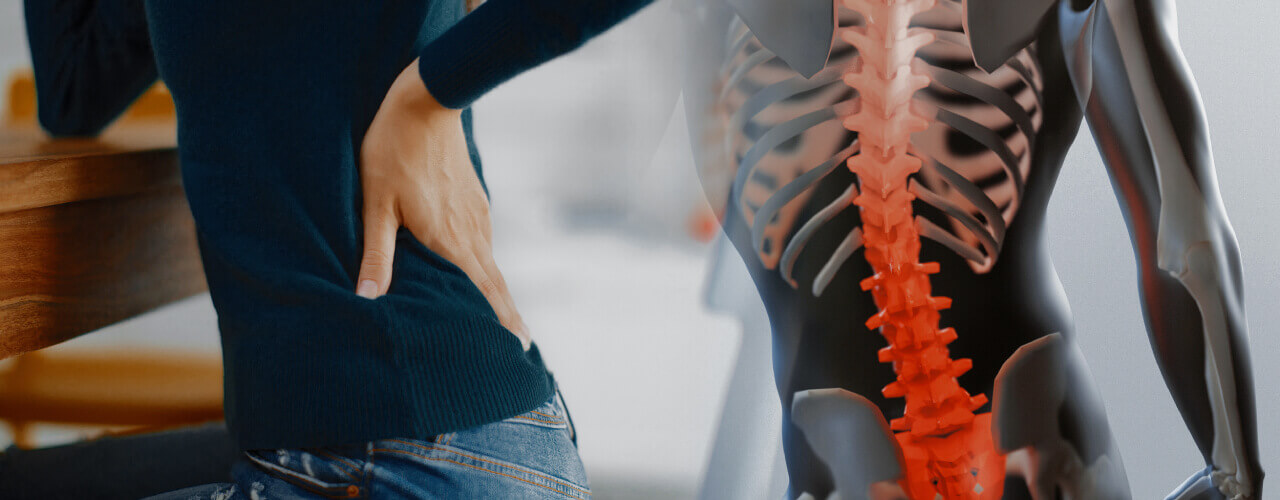
Did you know that a herniated disc can develop anywhere in your spine? At our physical therapy clinic, we often see herniated discs among our patients who have been experiencing back, arm, and/or leg pain, although back pain is the most common symptom.
If you believe that your pain or discomfort is being caused by a herniated disc, we encourage you to contact us today to schedule an appointment with one of our licensed physical therapists. Our experienced team can help you understand the source of your symptoms and heal the affected area(s) so that you can experience relief in the long term. Feel free to contact our highly trained physical therapist at Pelham Physical Medicine.
How can physical therapy help with herniated disc pain?
Research shows that physical therapy is an effective form of treatment for herniated discs. If your symptoms affect your daily life or work activities, or if your symptoms persist for more than two weeks, you are advised to consult with a physical therapist.
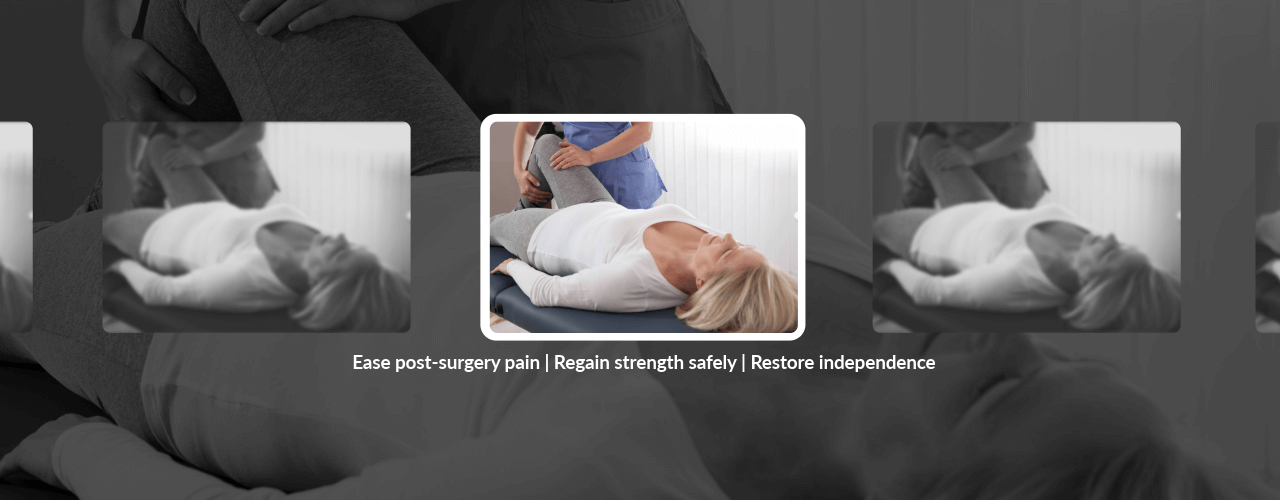
Physical therapy interventions such as spinal traction, remedial exercises, and non-invasive modalities (such as electrical stimulation or diathermy) can help in healing the herniated disc, so you can find long-term pain relief and prevent recurring problems in the future.
Physical therapy may also be necessary if you have been told by a surgeon that you may need spinal surgery to correct your disc herniation. In many cases, surgeons also ask their patients to work with a physical therapist prior to a spinal fusion or disc decompression procedure, in order to aid in the improvement of core strength and spinal health, so the procedure will be easier. This has been proven to both maximize surgical outcomes and reduce the risk of postoperative complications.
According to The National Institute of Health, “The highest prevalence [of herniated disc cases] is among people aged 30-50 years, with a male to female ratio of 2:1. There is little evidence to suggest that drug treatments are effective in treating herniated discs.”
Moreover, research shows that even “idiopathic” cases of back pain (where there is no known cause) respond positively to physical therapy. In other words, even if it’s not entirely clear whether you have a herniated disc, our services can still help!
What might put me at risk of developing a herniated disc?
In addition to analyzing your symptoms and performing various tests and measures, a physical therapist can help you determine if you have a herniated disc by assessing your medical history and lifestyle.
We’ll look for risk factors known to be linked to herniated discs, including:
- Acute trauma, e.g., auto accident or fall
- Smoking
- Age between 30 and 50
- Obesity
- Male gender
- Frequent bending, heavy lifting, or twisting
- Physically demanding occupation
How can I tell if a herniated disc is what’s causing my back pain?
Spinal discs are small soft structures found between vertebral bones. Their main jobs are to absorb shock and maximize mobility within the spine. On the outside, these discs are tough and fibrous, but on the inside, they are soft and gel-like.
A herniated disc occurs when the tough outer layer of the disc (called the annulus fibrosis) ruptures. This allows the inner gel substance (called the nucleus pulposus) to leak out. The ruptured disc tissue can trigger an inflammatory response and compress nearby structures, including joint receptors and spinal nerve roots.
Interestingly enough, not all herniated discs will lead to pain (especially because the discs themselves are relatively low in innervation and vascularization). However, when a herniated disc does cause symptoms, these symptoms often include:
- Pain that improves or “centralizes” (moves toward the spine) with spinal extension, such as when lying down or lying prone
- Pain that worsens with forward flexion or prolonged sitting—forward flexion may also cause the pain to “peripheralized” or move further away from the spine
- Arm or leg pain, numbness, tingling, and weakness (if the herniated disc compresses on an adjacent nerve root that innervates the affected limb)
- Neck or back pain, stiffness, and muscle spasms at the level of the injured disc
A herniated disc is similar to a bulging disc; in the latter condition, the disc tissue may protrude out of place but will not rupture.
Get started today
If you have been living with back pain, you don’t have to any longer. Contact us today to schedule a consultation and get started on the first steps toward back pain relief!


Leave a Reply